Royal Docks bulky rubbish removal job case study
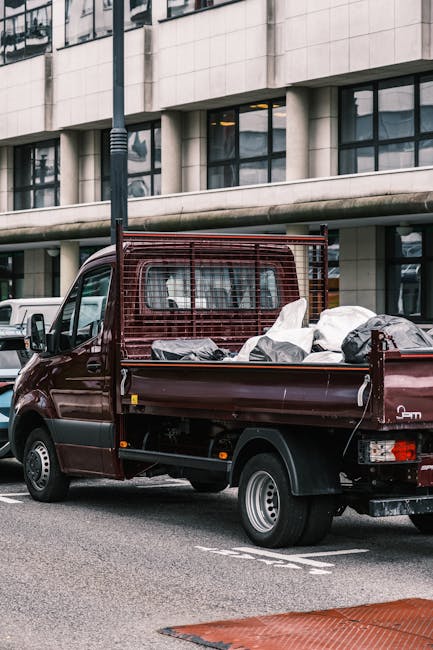
If you are dealing with a pile of bulky waste in Royal Docks, you probably want two things: the space cleared properly and the whole thing handled without drama. Fair enough. A Royal Docks bulky rubbish removal job case study is useful because it shows what the work actually looks like in practice, not just in theory. In this guide, we break down how a bulky waste clearance is planned, what tends to slow it down, what good service looks like on the day, and how to decide between different removal methods. You will also find a practical checklist, a comparison table, and some honest advice that helps you avoid the usual headaches.
Royal Docks has its own quirks too. Access can be tight, blocks can be busy, and timing matters when you are clearing furniture, appliances, renovation debris, or mixed household waste. So let's get into it properly.
Why Royal Docks bulky rubbish removal job case study Matters
A bulky rubbish job is not just "a lot of stuff". It is usually a mix of size, weight, access, and urgency. That combination is what makes these clearances awkward. A sofa is one thing. Three wardrobes, a broken fridge, a bed base, sacks of old materials, and a hallway that barely allows a trolley through? Different story altogether.
This is why a case study approach matters. It helps you see the logic behind the clearance: how the waste was identified, how the route was planned, how loading was managed, and where time could have been lost. In a busy part of East London such as Royal Docks, those details make a real difference.
For landlords, homeowners, letting agents, and small businesses, the value is pretty straightforward. You want to remove waste quickly, keep shared areas clean, avoid complaints from neighbours, and reduce the chance of damage to lifts, walls, or flooring. If you are handling works near a commercial unit, office space, or residential block, that becomes even more important. A careful bulky waste clearance can save more hassle than people expect. Not glamorous, but true.
It also helps build trust. When a removal provider can explain the process clearly, people are more confident that the waste will be handled responsibly. That includes sorting recyclable items, checking for restricted materials, and deciding whether a wait-and-load skip hire style approach or a manual removal route is the better fit.
How Royal Docks bulky rubbish removal job case study Works
Most bulky rubbish removal jobs follow a simple pattern, even if the site itself is a bit of a puzzle. The main difference is how much planning is needed before a single item is moved.
1. Initial review of the waste
The first step is to identify what is actually on site. Is it household bulky waste, office furniture, builders waste, mixed clear-out material, or a combination? A large pile can look similar from the outside, but the disposal route changes depending on the contents.
For example, a worn sofa, a mattress, and a fridge may need different handling from old timber, plasterboard, or broken fixtures. If there is any doubt about the contents, it is better to separate items early than to discover a problem halfway through loading.
2. Access check and lifting plan
Royal Docks properties often vary a lot. Some jobs are ground-floor and straightforward. Others involve stairwells, service yards, loading bays, or shared entrances. The crew needs to know where the waste is, how it will be taken out, and whether there are any obstacles like narrow corridors, poor lighting, or parked vehicles.
That may sound obvious, but this is where many jobs gain or lose time. A small lift that stops at 5 pm, a rear gate with limited access, or a loading area used by multiple tenants can complicate things fast.
3. Choosing the right removal method
Depending on the volume and access, the team may use manual loading, a van-based service, a skip, or a grab vehicle. A lot comes down to whether the waste can be loaded directly, how long it can stay on site, and whether a permit or restricted parking arrangement is needed. If you need flexibility, man and van clearance is often useful for smaller bulky jobs, while larger mixed loads may suit grab hire services or skip hire.
4. Safe loading and segregation
Bulky waste should not just be thrown in a heap and forgotten. Good practice means placing load-bearing items securely, keeping sharp edges under control, and separating anything that should not go together. In real life, that might mean keeping appliance waste apart from general rubbish or setting aside items that need specialist disposal.
5. Transport and recycling route
Once loaded, the waste is taken to an appropriate transfer or recycling facility. Reuse and recycling are not always possible for everything, but a responsible operator will aim to divert as much as practical away from disposal. If you want a clearer picture of how that side works, see recycling and sustainability and waste recycling services.
Key Benefits and Practical Advantages
A well-run bulky rubbish removal job does more than remove clutter. It can change how a property feels and functions almost immediately. The room opens up. The corridor stops smelling faintly of damp cardboard and old fabric. The site feels manageable again.
- Faster turnaround: the right team clears items without making you wait around for multiple visits.
- Less strain on staff or residents: large or awkward items are lifted safely instead of being dragged through the property.
- Better presentation: useful for rentals, sales, office handovers, or post-refurbishment cleanups.
- More predictable costs: especially when the job is scoped properly before removal starts.
- Improved recycling potential: sorting items at source can help more materials be recovered.
- Lower disruption: this matters a lot in shared buildings and active commercial areas.
There is also a quieter benefit: peace of mind. You know the waste is going somewhere legitimate, and you do not have to spend your Saturday staring at a pile of broken furniture wondering what on earth to do next.
For larger jobs, some customers compare this kind of service with a skip-based approach. That is sensible. The best choice depends on access, load size, and timing. A quick read of skip sizes and prices can help you gauge which route makes sense before you commit.
Who This Is For and When It Makes Sense
This kind of service is useful for a wide range of people, but it is especially relevant if your clearance includes big, awkward, or mixed waste items.
Typical users
- Homeowners clearing old furniture, appliances, or general household clutter.
- Landlords and letting agents needing fast turnaround after a tenancy ends.
- Office managers disposing of desks, chairs, filing units, and obsolete equipment.
- Builders and trades needing removal of bulky renovation waste or leftover materials.
- Facilities teams working around occupancy, delivery schedules, or building access rules.
When it makes sense
A bulky rubbish removal job usually makes sense when:
- the items are too large for your car or regular council collection;
- the waste is mixed and needs sorting before disposal;
- you do not have space for a skip;
- the site has access limits or parking restrictions;
- you need the job done quickly and cleanly.
To be fair, many people only realise this after trying to move one heavy wardrobe down a stairwell. That is usually enough to change the plan.
Step-by-Step Guidance
If you want the job to run smoothly, treat it like a small project rather than an afterthought. Here is the simple version.
- List the waste types. Separate furniture, appliances, general rubbish, and any materials that may need special handling.
- Check access. Note stairs, lifts, gate codes, parking restrictions, and loading points.
- Estimate volume. This helps decide whether a man-and-van style collection, skip, or grab service is better.
- Remove obvious hazards. Sharp metal, glass, leaking items, or anything suspicious should be flagged early.
- Choose the collection method. For flexible direct loading, rubbish removal is often a practical option.
- Schedule around building activity. Try to avoid rush periods, school pickup times, or delivery windows if the site is busy.
- Load safely and confirm completion. A tidy final sweep is a small thing, but it matters more than people think.
If there are appliances in the mix, it is worth checking fridge and appliance removal before you book. Likewise, sofas and mattresses can need their own handling route, and mattress and sofa disposal is worth reviewing if those are part of the load.
Expert Tips for Better Results
In our experience, the best bulky rubbish jobs are rarely the fanciest ones. They are the most organised ones. A few small habits make the whole thing smoother.
- Stage items near the exit where possible. It cuts loading time and reduces repeated trips through the building.
- Keep reusable and recyclable items separate. That can simplify sorting later and sometimes lower waste handling complexity.
- Photograph the load before collection. Handy for checking scope and avoiding misunderstandings. Plain and simple.
- Protect floors and door frames. Especially in shared blocks or recently renovated spaces.
- Confirm the disposal route in advance. Not every load can go with every service.
- Ask about timing flexibility. A same-day or rapid collection can be a lifesaver if a move-out is tight.
Another useful tip: if access is awkward and the job is time-sensitive, think about whether same-day skip hire or wait and load skip hire fits better than leaving a skip on the street. In some Royal Docks spots, that distinction matters a lot.
Common Mistakes to Avoid
Bulky waste jobs often go wrong in the same handful of ways. Nothing dramatic, just the sort of thing that creates delays, extra costs, or awkward conversations.
- Underestimating the volume. A load that looks "small enough" can still fill a van surprisingly fast.
- Mixing prohibited items with general waste. This can block collection or require a separate disposal route.
- Ignoring access issues. If there is no lift, or the parking is tight, plan for it before collection day.
- Assuming every item can be placed together. Not true. Fridges, upholstered items, and certain other waste streams may need different handling.
- Leaving the decision until the last minute. That is when the stress creeps in, usually around 7 pm when you just want the thing gone.
One quiet mistake people make is forgetting the paperwork side. If you are using a professional waste carrier, keep the job details and invoice. That helps if you ever need to confirm what was removed and when.
Tools, Resources and Recommendations
You do not need specialist gear for every clearance, but a few practical tools make the job safer and quicker.
Useful items on site
- gloves with decent grip;
- protective footwear if there are sharp or heavy items;
- moving blankets or floor protection;
- tape, labels, or marker pens for sorting;
- trolleys or sack trucks for heavier pieces;
- bags or tubs for loose small waste.
Helpful information pages
If you are planning a clearance and want to understand the options a little better, these pages are worth a look:
- what can go in a skip
- skip hire
- builders skip hire
- builders waste removal
- construction waste disposal
If you want a broader view of service quality, company process, and trust signals, about us is a sensible place to understand the operator behind the service. And if your job is urgent or mixed with other clear-out tasks, book online can be a straightforward next step.
Law, Compliance, Standards, or Best Practice
Waste removal in the UK is not something to treat casually. Even for a simple-looking bulky waste job, good practice matters. You want a provider who handles waste responsibly, carries appropriate insurance, and works in line with accepted waste management standards.
In plain English, that means the waste should be transported by a legitimate carrier, handled safely, and taken to a proper facility. If items include anything potentially hazardous, such as certain chemicals, batteries, or contaminated materials, they should be identified before collection. Do not leave that as a surprise in the middle of the job. Nobody enjoys surprise bins.
From a property-management point of view, compliance also includes access and safety. Think about shared entrances, fire routes, resident safety, and keeping communal areas clear. If a collection might affect other building users, it is sensible to notify them first.
For jobs that involve wider site works, some customers also need to think about related services such as site clearance or construction waste clearance. Those services are not identical, but they often overlap in real-world projects.
Insurance is another practical point. A company should be able to explain how it protects both workers and property during a clearance. If that is unclear, ask before booking. The same goes for insurance and safety and the wider health and safety policy. It is boring until something goes wrong, and then it is suddenly the most interesting part of the whole operation.
Options, Methods, or Comparison Table
Here is a simple comparison of common bulky waste removal approaches. The best option depends on access, speed, and how much waste you have.
| Method | Best for | Strengths | Limitations |
|---|---|---|---|
| Man and van | Smaller bulky loads, mixed items, quick collections | Flexible, often fast, good for awkward access | Less suitable for very large or heavy volumes |
| Skip hire | Ongoing clear-outs, DIY waste, larger mixed loads | Convenient if you can load over time | May need space or a permit |
| Grab hire | Bulkier waste, fast loading, site or driveway access | Efficient for larger volumes | Not ideal where access is extremely restricted |
| Wait and load | Street-constrained areas, quick turnaround, no skip storage | Minimises on-site duration | Needs good preparation to stay efficient |
For Royal Docks, access often tilts the decision one way or another. If a skip would block the area or create permit complications, a time-efficient collection can be better. On the other hand, if waste will accumulate over several days, a skip may be cleaner and cheaper overall. Check skip hire permits and skip permits if the container needs to sit on public land.
Case Study or Real-World Example
Here is a realistic example drawn from the kind of bulky removal job often seen in Royal Docks.
A small property management team needed a mixed bulky rubbish clearance after tenants moved out of a two-bedroom flat. The items included two wardrobes, a sofa, a mattress, a broken appliance, a handful of small furniture pieces, and several bags of mixed household rubbish. The lift was available, but only during certain hours, and the entrance area had limited space for staging.
The first challenge was access. The team agreed to place the items near the front room and sort them before the collection window opened. That saved repeated carrying later. The appliance was separated from the soft furnishings, and fragile loose waste was bagged so it would not scatter across the corridor.
The second challenge was timing. Because the block was busy during the morning, the collection was scheduled for a quieter window. That meant less disruption for neighbours and fewer delays at the entrance. The crew completed the load in a single visit, leaving the space swept and ready for a final inspection.
What worked well here was not luck. It was prep. The load was described properly in advance, the items were grouped, and the removal method matched the site conditions. Simple, yes. But that is often the difference between a neat clearance and a stressful one.
In jobs like this, the best outcome is usually the least dramatic one. No fuss, no bottlenecks, no "we'll have to come back tomorrow". Just a clean finish and the property back under control.
Practical Checklist
Use this checklist before your bulky rubbish removal booking.
- List every item you want removed.
- Mark anything that might need separate handling, such as appliances or sofas.
- Check access routes, stairs, lifts, and parking.
- Measure doorways if you suspect a large piece may be awkward.
- Clear a staging area near the exit.
- Decide whether you need same-day, next-day, or flexible timing.
- Confirm whether a skip, van collection, or grab service fits best.
- Ask about disposal, recycling, and insurance.
- Keep the area as clear as possible on the day.
- Do a final walk-through before the team leaves.
Quick takeaway: if you plan the access and the waste types first, the whole job becomes much easier. Usually much easier.
Conclusion
A Royal Docks bulky rubbish removal job is rarely just about getting rid of old stuff. It is about choosing the right method, keeping the site safe, and making sure the work fits the building, the schedule, and the type of waste involved. When those pieces line up, the job feels almost effortless from the customer side. Almost.
Whether you are clearing a flat, an office, a commercial unit, or a mixed property after refurbishment, the best approach is the one that matches the site rather than forcing the site to fit the service. That is the real lesson from a good case study. Plan early, separate the waste properly, and choose a removal option that suits the access you actually have, not the access you wish you had.
Get a free quote today and see how much you can save.
Frequently Asked Questions
What counts as bulky rubbish in Royal Docks?
Bulky rubbish usually means large or awkward items such as sofas, wardrobes, mattresses, fridges, beds, office furniture, and mixed clear-out waste that is too large for normal bin collection.
Is bulky rubbish removal better than hiring a skip?
It depends on the site and the volume. Removal is often better for awkward access or fast clearances, while a skip can suit ongoing projects where waste builds up over time.
Do I need a permit for bulky waste removal?
Not usually for a direct collection, but you may need a permit if you are placing a skip on public land. Permit needs can vary by location and setup, so check before booking.
Can furniture and appliances be removed together?
Yes, they often can, but some appliances may need separate handling. It is best to list everything clearly so the collection method matches the load.
How quickly can a bulky rubbish job be done?
Some jobs can be completed the same day or next day if access is straightforward and the load is clearly described. More complex jobs may need a scheduled slot.
What happens to the waste after collection?
It is taken to an approved facility where it is sorted for reuse, recycling, or disposal depending on the material type and condition.
Can I put a mattress or sofa in a general rubbish load?
Often yes, but they may be treated as specific waste streams. It is sensible to mention them upfront rather than leaving them as an afterthought.
What if the access in my building is tight?
Tight access is common in urban areas. In those cases, a man-and-van style collection, wait-and-load arrangement, or careful hand-loading plan may work better than a skip.
How do I estimate how much waste I have?
Start by listing the items and grouping them into furniture, appliances, bags, and loose debris. Photos help a lot. Even a rough count is better than guessing.
Is bulky rubbish removal suitable for offices?
Yes. Office clearances often include desks, chairs, shelving, archived material, and old equipment. If confidential paperwork is involved, a separate secure route may be needed.
Can builders waste be included in a bulky rubbish job?
Sometimes, but only if the load and disposal route are appropriate. Heavy rubble or mixed construction waste may be better handled through construction waste disposal or a dedicated builders service.
What should I check before booking?
Check the waste type, access, timing, collection method, and whether any items need special treatment. That small bit of preparation usually saves a lot of friction later.
If you want a simple, reliable starting point, review the available options on pricing and quotes and then choose the service that best fits the job. Clear the clutter, keep the process calm, and give yourself one less thing to worry about.